
New York’s wellness culture is no longer centered on workouts alone. A new wave of recovery-focused clubs is reshaping how the city thinks about health, blending sauna culture, cold immersion, longevity treatments, and community-driven design into everyday life. From private thermal sanctuaries in Chelsea to large-scale physical culture spaces in Midtown and bathhouse-inspired clubs in Tribeca and NoHo, these venues reflect a clear shift toward intentional recovery. They are structured, design-conscious, and built for repeat visits rather than occasional indulgence. Together, Schwet at Tribeca, Saint at Chelsea, Bedrock at Moss at Bryant Park, The Altar at Flatiron, and Lore Bathing Club at NoHo represent a broader movement in which heat, cold, and connection are becoming essential parts of the modern urban routine.
Schwet at Tribeca
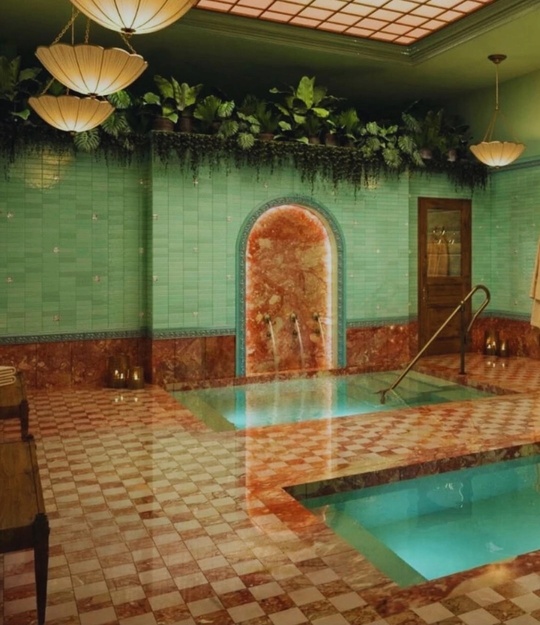
Schwet at Tribeca, located at 78 Franklin Street, has built its reputation around intense heat and cold exposure in a refined, club-like setting. General admission is $150 for 2.5 hours, giving guests access to a layered bathing experience that goes far beyond a simple sauna visit. The space includes a Skin Suite with aromatic steam, a Japanese scrub room modeled after traditional onsen culture, a red light infrared sauna, and a Grand Pool Room featuring a hot mineral pool and a 48-degree cold plunge, both supported by advanced filtration systems. A traditional Russian banya anchors the experience, blending European bathing traditions with a distinctly New York energy.
What makes Schwet stand out is that it operates as both bathhouse and clubhouse. In addition to thermal circuits, there is a jewel-box bar with a wine program led by Parcelle, a glowing fireplace lounge, and programming that leans toward the indulgent, from dinner parties to artist takeovers and specialized treatments like Indian head massage and Russian platza. It is not just about recovery. It is about atmosphere, culture, and social connection, creating a decadent reset in the middle of Tribeca.
Saint at Chelsea
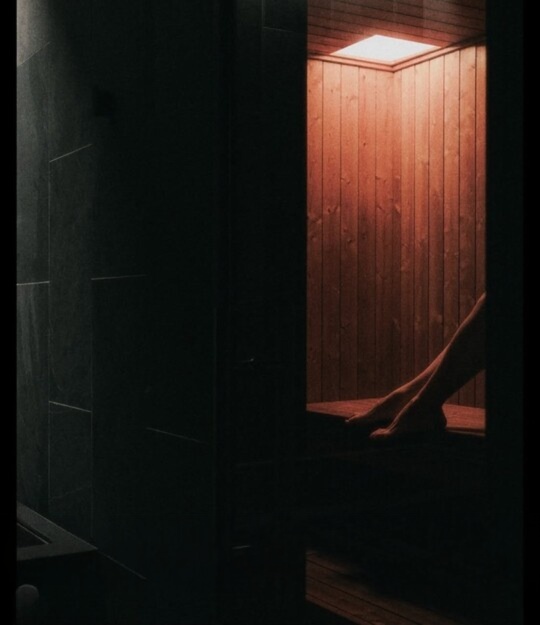
Saint, located at 242 West 29th Street, offers a more intimate and private approach to thermal wellness. Membership is $280 per month and includes 12 visits with priority booking. The club features four bespoke sauna and ice bath sanctuaries, each designed for up to three people and created by Noam Dvir and Daniel Rauchwerger of BOND. Unlike larger communal bathhouses, Saint emphasizes stillness, solitude, and privacy, offering a quieter and more contained experience.
What differentiates Saint is its intentional scale and beautifully considered design. It feels less like a social bathhouse and more like a personal sanctuary for those who live nearby, possibly even in the same building. The atmosphere encourages guests to slow down and focus on the moment without distraction. While it may not center on community in the traditional sense, its appeal lies in exclusivity, calm, and thoughtful detail, making it a distinct offering within New York’s recovery scene.
Bedrock at Moss at Bryant Park
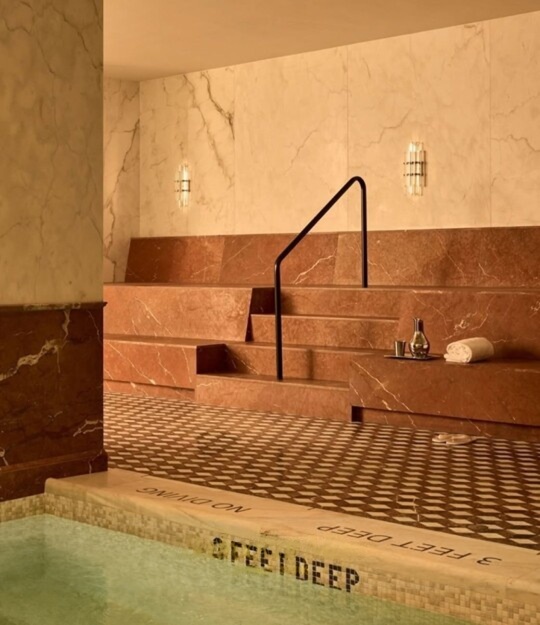
Bedrock at Moss at Bryant Park is a 20,000-square-foot, two-level physical culture and wellness sanctuary in Midtown Manhattan. Club membership is required and priced at $745 per month for all-access entry. The space integrates movement, recovery, and longevity under one roof. Amenities include a thermal aquatics circuit with hot and cold plunges, a vitalizing pool, and a heated hammam-inspired structure. Beyond aquatics, members have access to a high-end gym floor, Pilates reformers, and private locker rooms with full shower suites and grooming studios.
Bedrock stands out for its breadth and structure. The facility also features a multipurpose court for pickleball and basketball, dual-bay golf simulators, group classes, personal training, and health optimization coaching. Recovery services range from IV therapy and NAD injections to bodywork, acupuncture, stretch therapy, and concierge health management. Rather than focusing on a single modality, Bedrock presents a complete lifestyle ecosystem designed for consistency, performance, and long-term wellbeing in the heart of Midtown.
The Altar at Flatiron
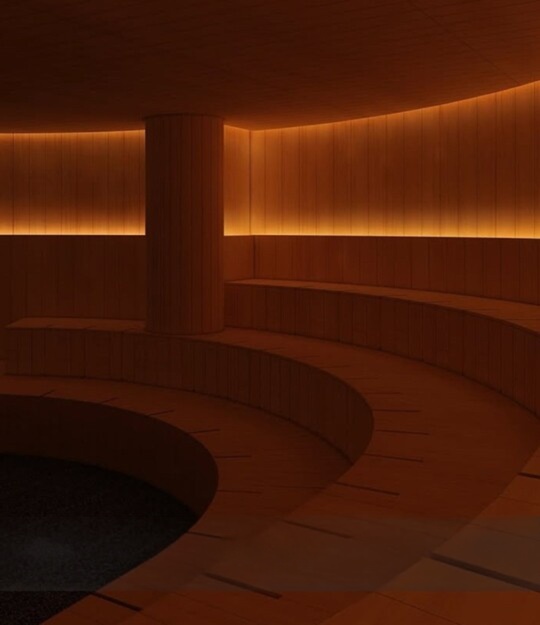
The Altar at Flatiron, located at 122 Fifth Avenue, blends communal thermal experiences with advanced recovery tools. Sauna and cold plunge sessions are priced at $65, with additional services such as hyperbaric oxygen at $100 and Vitamin IV therapy starting at $300. The space includes a 50-person sauna, a cold plunge suite, and a central gathering area that feels part health club and part community lounge. A circular recovery space offers compression therapy, PEMF mats, red light panels, and hyperbaric oxygen chambers, bringing longevity-focused tools into a shared setting.
What makes The Altar distinctive is its effort to combine communal sensory experiences with modern health protocols. Instructors come from diverse backgrounds including breathwork, aufguss, somatic practices, and even culinary arts, creating programming that feels layered and immersive. The design is clean and forward-thinking, and the crowd tends to be culturally curious and design-oriented. It positions itself as a place where performance, community, and long-term health strategies intersect in one cohesive environment.
Lore Bathing Club at NoHo
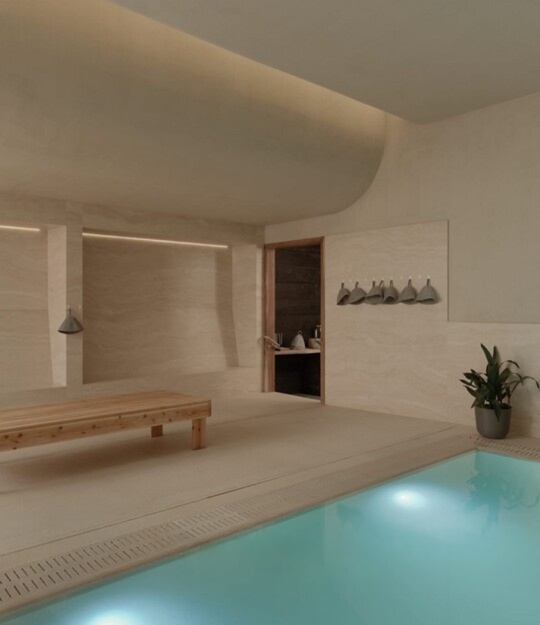
Lore Bathing Club at NoHo, located at 676 Broadway, presents itself as a neighborhood bathing club designed for frequency and routine. Membership is $200 per month for 75-minute weekday sessions, and a week pass is available for $90. The space includes a large-format dry sauna, an infrared sauna, a substantial cold plunge pool, and a clothed meeting area that encourages members to gather and connect between sessions.
What sets Lore apart is its membership-driven model and focus on regular use rather than one-time visits. It positions itself differently from larger bathhouse brands by emphasizing consistency and local community. The founders bring experience from Lifetime Fitness and NeueHouse, shaping the club with operational insight and hospitality awareness. The result is a space designed to become part of a member’s weekly routine, offering a steady and accessible reset in the heart of NoHo.